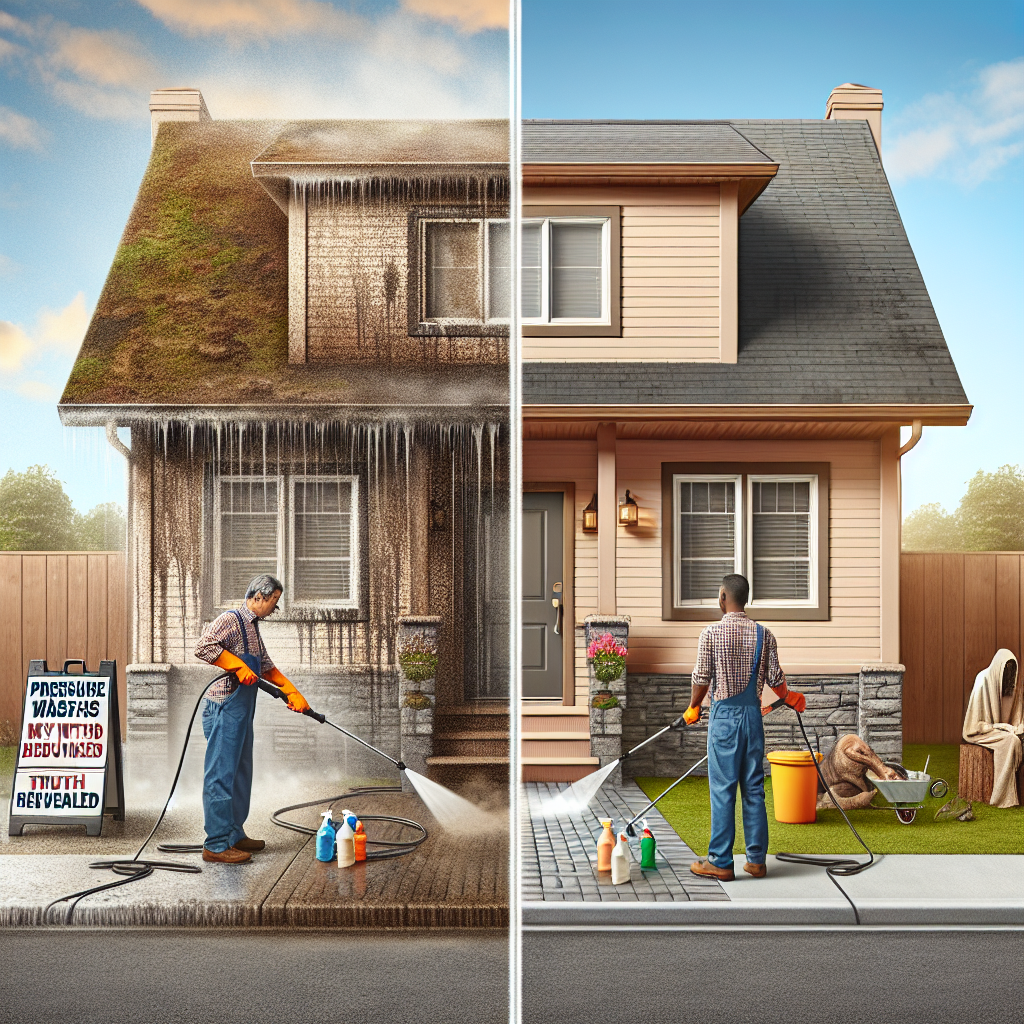
Optimal Seasons for Pressure Washing Your Home
Pressure washing is an effective way to maintain the exterior of your home, removing dirt, grime, mold, and mildew that accumulate over time. However, choosing the right time of year to perform this maintenance task can significantly impact the results and longevity of the clean. This article explores the optimal seasons for pressure washing your home, considering factors like weather conditions, regional differences, and specific cleaning needs.
Understanding Pressure Washing
Before diving into the optimal times for pressure washing, it’s essential to understand what pressure washing entails. Pressure washing uses high-pressure water jets to remove dirt, dust, loose paint, mold, and other debris from surfaces. It’s suitable for various surfaces like wood, concrete, brick, and siding. The effectiveness of pressure washing depends on several factors including the pressure level, the type of surface, and the cleaning solution used.
Benefits of Pressure Washing
1. **Enhances Curb Appeal**: A clean exterior boosts the aesthetic appeal of your home, making it more inviting and potentially increasing its market value.
2. **Prevents Damage**: Regular pressure washing prevents the build-up of harmful substances that can cause structural damage over time, such as mold and mildew.
3. **Improves Health**: Mold, mildew, and algae can affect indoor air quality. Regular cleaning helps mitigate these issues, promoting a healthier living environment.
4. **Preparation for Painting**: If you’re planning to repaint your home, pressure washing is an essential step to ensure the paint adheres properly.
Choosing the Right Season
The effectiveness of pressure washing largely depends on the season it’s performed in. Weather conditions, including temperature, humidity, and precipitation, play a crucial role in determining the best time for this task.
Spring: A Time for Renewal
Spring is often considered the prime time for pressure washing, and for good reasons:
1. **Mild Temperatures**: Spring offers moderate temperatures that are ideal for pressure washing. Extreme cold can cause water to freeze, while excessive heat can lead to quick evaporation, reducing the effectiveness of the cleaning process.
2. **Post-Winter Clean-Up**: Winter can bring harsh weather conditions that leave behind salt, grime, and debris. Pressure washing in spring is an excellent way to remove these remnants and prepare your home for the warmer months.
3. **Preparation for Summer Activities**: Spring cleaning prepares your home for summer activities, ensuring your outdoor spaces are clean and ready for use.
Summer: Warm and Dry Conditions
Summer is another suitable season for pressure washing, particularly in regions with mild to moderate climates:
1. **Dry Weather**: Summer’s typically dry conditions mean less risk of rain interrupting your cleaning plans. This ensures that surfaces dry quickly after washing.
2. **Extended Daylight Hours**: Longer days provide ample time to complete pressure washing tasks, especially larger projects that might extend over several days.
3. **Immediate Results**: With the sun shining brightly, the results of your pressure washing efforts will be immediately visible, offering instant gratification.
Fall: Prepping for Winter
Fall is also a favorable season for pressure washing, particularly for those looking to prepare their home for the winter months:
1. **Removing Debris**: Leaves, pollen, and other debris accumulate during summer and early fall. Pressure washing in the fall helps clear these elements before they have a chance to cause damage over the winter.
2. **Preventing Mold Growth**: As temperatures drop and humidity increases, mold and mildew growth can become a concern. A thorough cleaning in the fall can help mitigate this risk.
3. **Ideal Temperatures**: Like spring, fall offers moderate temperatures that are conducive to pressure washing.
Winter: A Challenging Season
Winter is generally not recommended for pressure washing due to several factors:
1. **Cold Temperatures**: Water can freeze in cold weather, potentially damaging your equipment and the surfaces you’re cleaning.
2. **Increased Risks**: The combination of water and cold temperatures can create slippery surfaces, increasing the risk of accidents.
3. **Limited Effectiveness**: In regions where winter brings snow and ice, pressure washing is less effective, as surfaces are constantly exposed to moisture and freezing conditions.
Regional Considerations
While the seasons provide a general guideline, regional differences can affect the timing of pressure washing:
Climate Variations
1. **Northern Climates**: In areas with long, harsh winters, it’s best to focus on late spring and early fall for pressure washing. This ensures you avoid the freezing temperatures of winter and the unpredictable weather of early spring.
2. **Southern Climates**: In warmer regions, pressure washing can often be done year-round. However, it’s crucial to avoid the hottest parts of the summer when high temperatures can cause water to evaporate rapidly.
3. **Coastal Areas**: Homes in coastal regions face unique challenges due to salt and moisture. Regular pressure washing throughout the year may be necessary to prevent salt build-up and corrosion.
Urban vs. Rural Areas
1. **Urban Areas**: Pollution and dirt accumulation can be more severe in urban settings, necessitating more frequent pressure washing regardless of the season.
2. **Rural Areas**: Homes in rural areas may face different challenges, such as pollen and dust from nearby fields, which can influence the timing and frequency of pressure washing.
Conclusion
Choosing the optimal season for pressure washing your home involves considering various factors, including weather conditions, regional climate variations, and specific cleaning needs. While spring, summer, and fall each offer unique advantages, understanding your local environment and the specific challenges your home faces will help you determine the best time for this essential maintenance task. By scheduling pressure washing at the right time, you can ensure a clean, well-maintained home exterior that enhances both curb appeal and structural integrity.
“`