Introduction
Maintaining a clean and well-kept roof is essential for the longevity and aesthetic appeal of your home. While many homeowners embark on DIY roof cleaning projects to save money, they often overlook the potential hazards associated with this task. In this article, we will delve into the perils of DIY roof cleaning, unveiling the safety risks that can jeopardize both personal safety and property integrity.
The Allure of DIY Roof Cleaning
Cleaning your roof without professional help might seem like a cost-effective solution. With numerous online tutorials and the availability of cleaning products, many homeowners feel empowered to tackle this project themselves. However, the allure of saving money and gaining a sense of accomplishment can quickly be overshadowed by the risks involved.
Physical Safety Risks
Falls from Height
One of the most significant risks associated with DIY roof cleaning is the potential for falls. Roofs are inherently high and steep, making them hazardous for those without proper training and equipment. According to the Occupational Safety and Health Administration (OSHA), falls are a leading cause of serious work-related injuries and deaths. Without the right safety gear, such as harnesses and non-slip footwear, homeowners are at a heightened risk of falling.
Slippery Surfaces
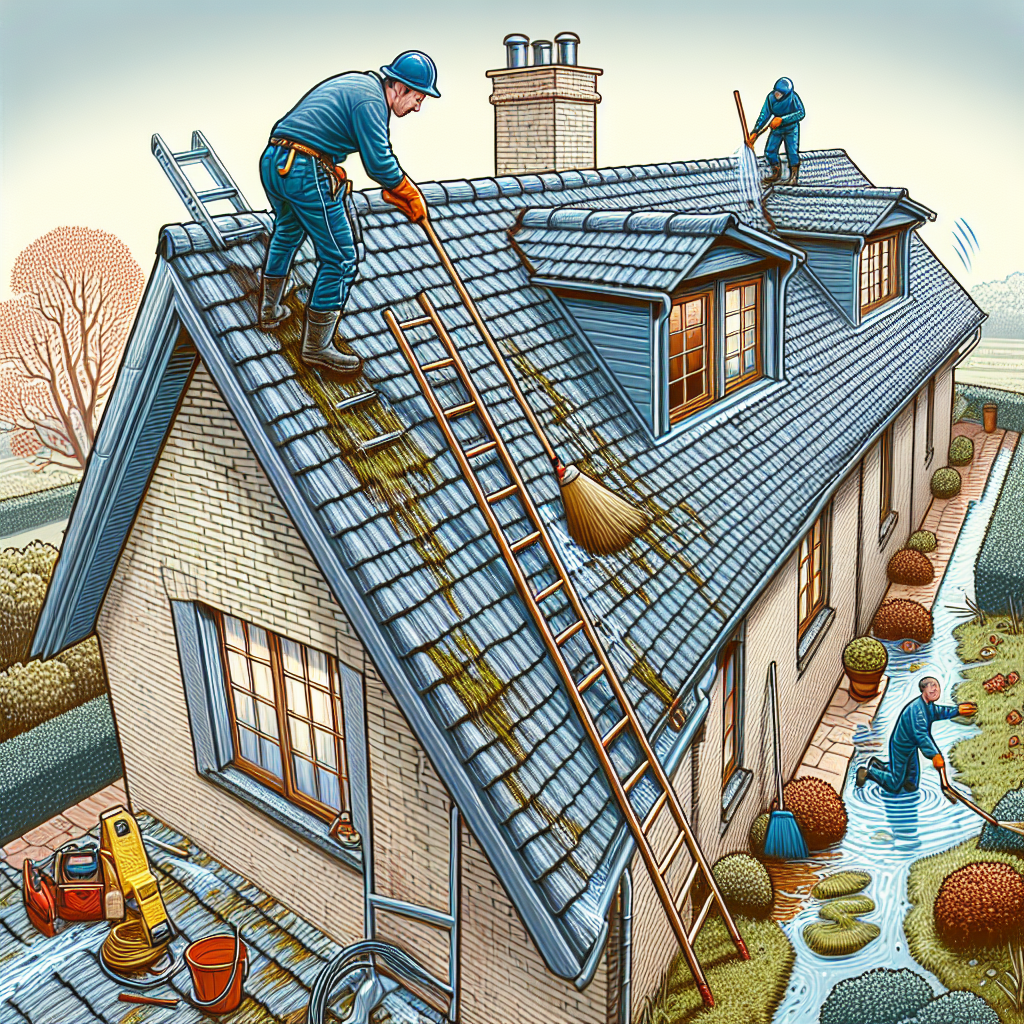
Algae, moss, and other organic growths often make roofs slippery. When combined with water and cleaning agents, the risk of slipping increases exponentially. Even experienced DIY enthusiasts may underestimate the slickness of a wet roof, leading to accidents that could result in serious injuries.
Improper Use of Ladders
Ladders are a common tool in roof cleaning, yet improper use or placement can lead to accidents. Setting a ladder on an uneven surface or failing to secure it properly can result in falls. Furthermore, overreaching from a ladder can cause it to tip over, leading to potentially severe injuries.
Health Hazards
Exposure to Chemicals
Roof cleaning often involves the use of chemicals to remove stains and growths. These chemicals can be hazardous if not handled correctly. Skin contact, inhalation, or accidental ingestion can lead to chemical burns, respiratory issues, and other health problems. Professional roof cleaners are trained to handle these substances safely, minimizing health risks.
Mold and Mildew Exposure
Roofs infested with mold and mildew can pose respiratory risks. Disturbing these growths during cleaning can release spores into the air, which can be inhaled. This is particularly dangerous for individuals with allergies, asthma, or other respiratory conditions, as it can exacerbate symptoms and lead to serious health complications.
Damage to Property
Roof Damage
Improper cleaning techniques can cause significant damage to your roof. High-pressure washing, for instance, can dislodge shingles, leading to leaks and water damage. Using harsh chemicals without understanding their effects can also degrade roofing materials, shortening the lifespan of your roof.
Gutter Damage
Gutters are often neglected during DIY roof cleaning, yet they play a crucial role in directing water away from your home. Accidental damage to gutters can lead to improper drainage, resulting in water pooling on the roof or around the foundation, which can cause structural damage over time.
Landscape Damage
The runoff from roof cleaning can contain chemicals and debris that damage landscaping. Plants, grass, and soil can be adversely affected, leading to costly repairs and replacements. Professionals are trained to mitigate these risks, ensuring minimal impact on your property’s surroundings.
Financial Implications
While DIY roof cleaning may initially seem cost-effective, the potential for accidents and damage can lead to significant expenses. Medical bills, property repairs, and even increased insurance premiums can outweigh the savings gained from avoiding professional services.
Legal and Insurance Considerations
Performing roof cleaning without proper safety measures can have legal implications. Some areas require permits or adherence to safety regulations for certain home improvement projects. Failing to comply can result in fines or penalties. Moreover, insurance policies might not cover damages or injuries resulting from DIY projects, leaving homeowners financially vulnerable.
The Benefits of Hiring Professionals
Expertise and Experience
Professional roof cleaners possess the necessary skills and experience to handle various types of roofs and cleaning challenges. They are equipped with the right tools and techniques to ensure thorough and safe cleaning without compromising the integrity of your roof.
Safety Protocols
Trained professionals adhere to strict safety protocols, minimizing the risk of accidents. They use specialized equipment, such as harnesses and scaffolding, to work safely at heights, reducing the likelihood of falls and injuries.
Comprehensive Insurance Coverage
Reputable roof cleaning companies carry insurance that covers any potential damage or injuries that may occur during the cleaning process. This provides homeowners with peace of mind, knowing that they are protected from liability.
Conclusion
While the idea of DIY roof cleaning may be tempting, the safety risks and potential for property damage outweigh the initial cost savings. Understanding the perils involved is crucial for making informed decisions about maintaining your home’s roof. By hiring professional roof cleaners, homeowners can ensure their safety and protect their property, ultimately extending the lifespan of their roofs and preserving their home’s value. Investing in professional services is not just a matter of convenience; it’s a commitment to safety and long-term savings.