Introduction
As a homeowner, maintaining the appearance and integrity of your home’s exterior is crucial. Over time, dirt, grime, mold, and mildew can accumulate, leading to unsightly appearances and potential damage. Preparing your home for exterior cleaning is a vital step in preserving its beauty and longevity. In this comprehensive guide, we will explore the steps you need to take to get your home ready for an effective exterior cleaning, ensuring you achieve the best results while protecting your investment.
Understanding the Importance of Exterior Cleaning
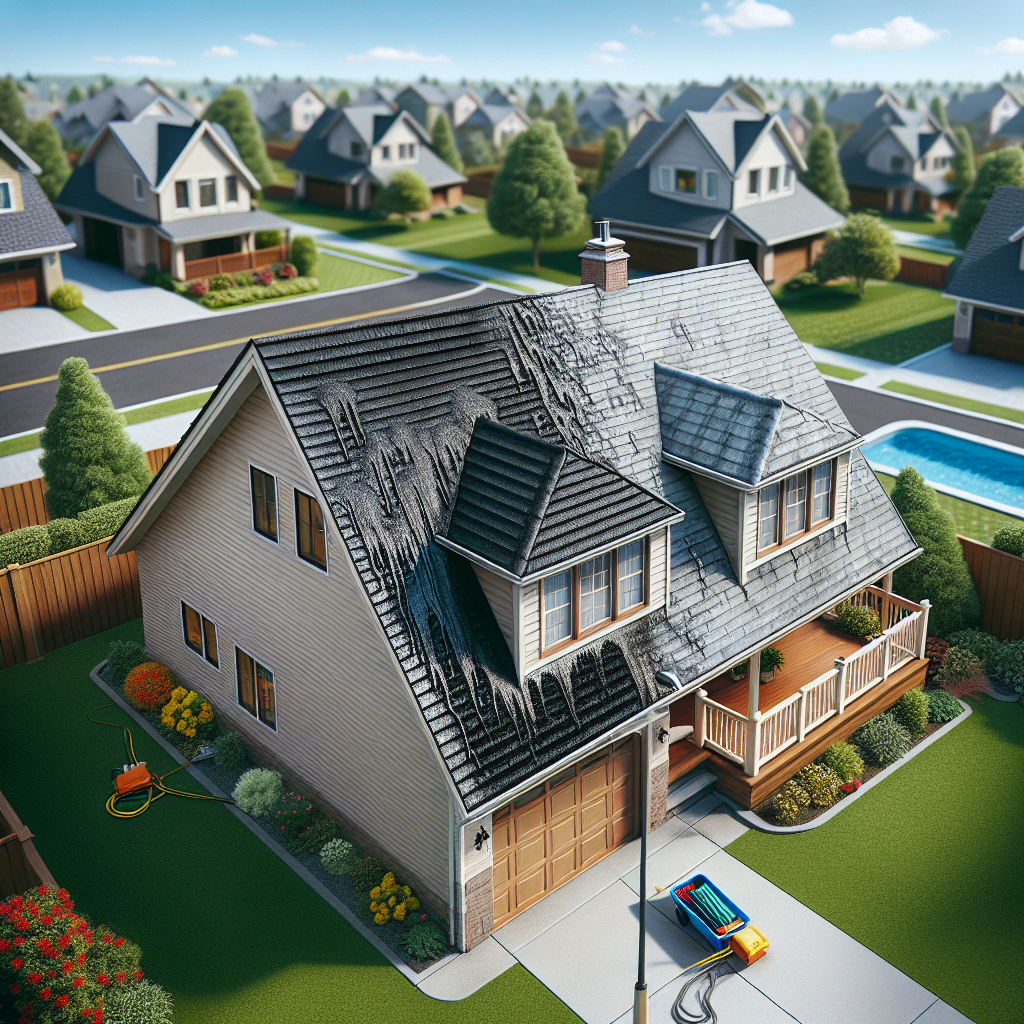
Before delving into the preparation process, it’s essential to understand why exterior cleaning is vital. The exterior of your home is constantly exposed to the elements, including rain, wind, sun, and pollution. These factors contribute to the buildup of dirt, algae, mold, and mildew, which can damage surfaces over time.
Regular exterior cleaning not only enhances your home’s curb appeal but also protects it from potential structural damage. It can prevent premature aging of materials, reduce the risk of costly repairs, and even increase the overall value of your property.
Assessing Your Home’s Exterior
Conduct a Thorough Inspection
The first step in preparing your home for exterior cleaning is to conduct a thorough inspection. Walk around your property and take note of areas that require special attention. Look for signs of mold, mildew, dirt buildup, and any damage that may need repair before cleaning.
Identify the Materials
Different materials require different cleaning methods. Identify the materials used on your home’s exterior, such as brick, vinyl, wood, stucco, or stone. Understanding the materials will help you choose the appropriate cleaning solutions and techniques.
Gathering the Necessary Equipment and Supplies
Pressure Washer
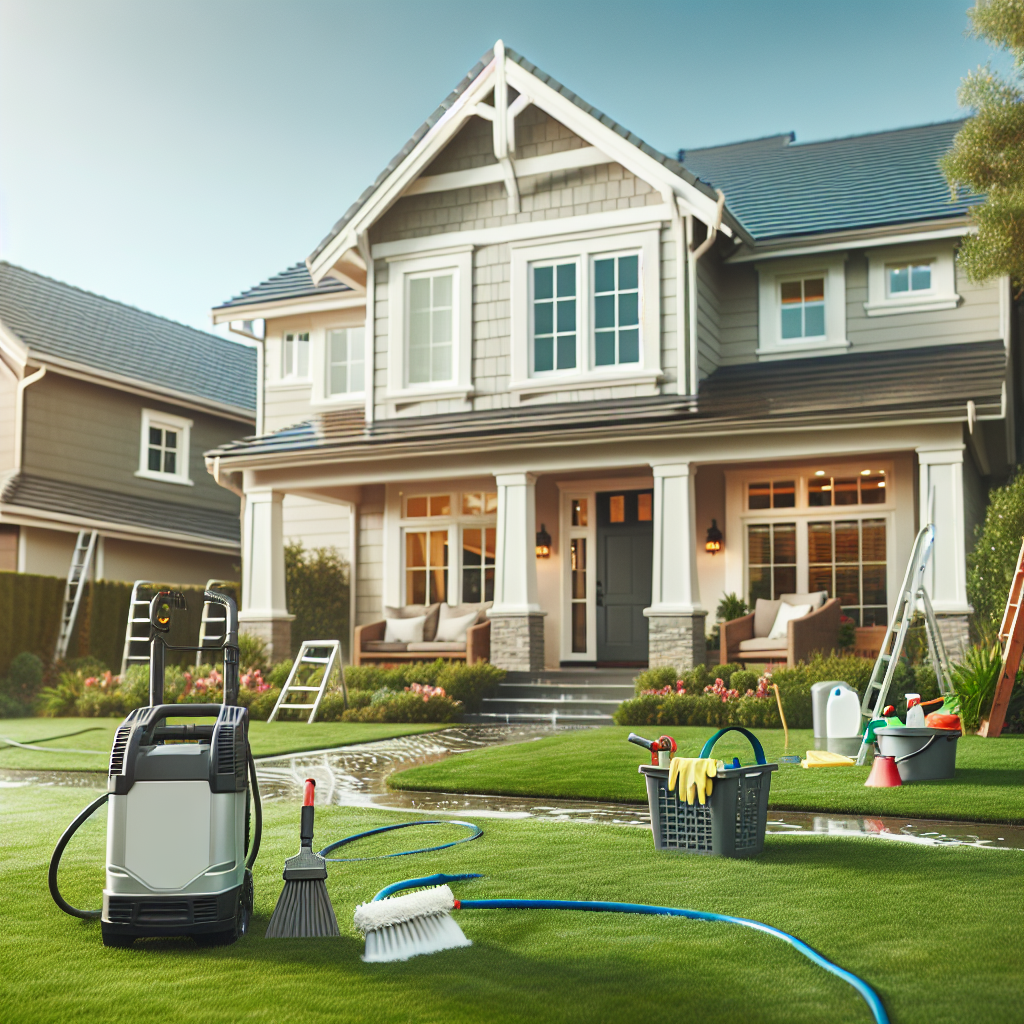
A pressure washer is a valuable tool for exterior cleaning, as it can effectively remove dirt and grime from various surfaces. If you don’t own one, consider renting or borrowing a pressure washer. Ensure you have the appropriate nozzles for different surfaces to avoid damage.
Cleansing Solutions
Select cleaning solutions that are suitable for your home’s materials. For example, use a mild detergent for vinyl siding and a specialized brick cleaner for masonry surfaces. If you’re unsure, consult with a professional or refer to manufacturer guidelines.
Protective Gear
Safety is paramount during exterior cleaning. Wear protective gear, including goggles, gloves, and non-slip footwear. If you’re using chemicals, ensure you have a mask to avoid inhaling fumes.
Preparing Your Home for Cleaning
Clear the Area
Before you begin cleaning, clear the area around your home. Remove outdoor furniture, potted plants, and other items that could obstruct the cleaning process. Cover delicate plants with a tarp or plastic sheeting to protect them from cleaning solutions.
Protect Electrical Components
Water can pose a risk to electrical components, so take precautions to protect them. Turn off exterior power outlets and cover them with waterproof materials. Ensure that any exposed wiring is properly insulated to prevent accidents.
Seal Windows and Doors
To prevent water and cleaning solutions from entering your home, ensure that all windows and doors are tightly sealed. Check for any cracks or gaps and repair them before proceeding with cleaning.
Choosing the Right Cleaning Method
Pressure Washing
Pressure washing is an effective method for removing tough stains and dirt from surfaces such as driveways, patios, and siding. It’s essential to use the right pressure setting and nozzle to avoid damaging surfaces. For delicate materials, such as wood, use a lower pressure setting.
Soft Washing
Soft washing is a gentler alternative to pressure washing, suitable for surfaces that may be damaged by high pressure. It involves using low-pressure water combined with specialized cleaning solutions to remove dirt and contaminants. Soft washing is ideal for roof cleaning and delicate siding materials.
Executing the Cleaning Process
Start at the Top
When cleaning your home’s exterior, always start at the top and work your way down. This ensures that dirty water doesn’t run over already cleaned areas. If you’re cleaning a multi-story home, begin with the roof and gutters before moving on to the siding and lower surfaces.
Work in Sections
Divide your home’s exterior into manageable sections and clean one area at a time. This approach allows you to focus on each section thoroughly and ensures that you don’t miss any spots. Rinse each section before moving on to the next to prevent cleaning solutions from drying on surfaces.
Post-Cleaning Steps
Inspect Your Work
After completing the cleaning process, inspect your home’s exterior to ensure that all areas are clean and free from dirt and stains. If you notice any missed spots or stubborn stains, address them promptly.
Perform Repairs
During your inspection, you may discover areas that require repair, such as cracked siding or damaged paint. Address these issues immediately to prevent further damage and maintain the integrity of your home’s exterior.
Maintaining Your Home’s Exterior
Regular Cleaning Schedule
To keep your home’s exterior in top condition, establish a regular cleaning schedule. Depending on your location and environmental factors, you may need to clean your home’s exterior annually or bi-annually.
Preventative Measures
Implement preventative measures to reduce the frequency of exterior cleaning. Trim trees and shrubs away from your home to prevent mold and mildew growth. Additionally, ensure that your gutters are clean and functioning correctly to prevent water damage.
Conclusion
Preparing your home for exterior cleaning is a crucial step in maintaining its beauty and structural integrity. By following the outlined steps, you can ensure a thorough and effective cleaning process. Remember to prioritize safety, choose the appropriate cleaning methods, and perform regular maintenance to keep your home looking its best. With a clean and well-maintained exterior, you can enjoy the benefits of enhanced curb appeal and increased property value for years to come.