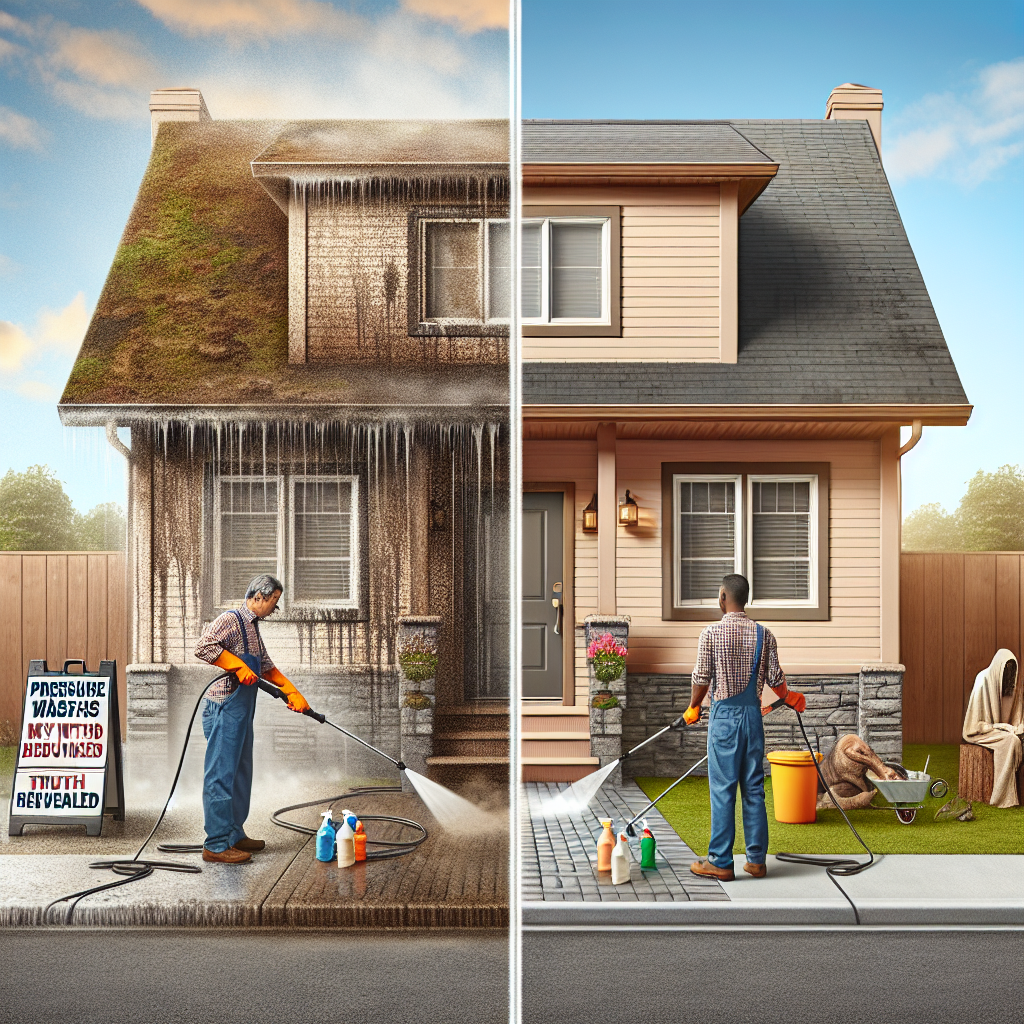
Maintaining the exterior of your home is essential for both aesthetic and functional purposes. A clean exterior not only enhances curb appeal but also protects the structure from potential damage caused by mold, mildew, and dirt buildup. Proper preparation is key to achieving a thorough and effective exterior clean. This guide provides a detailed look at how to prep your home for an exterior cleaning project, ensuring the process is efficient and successful.
Understanding the Importance of Exterior Cleaning
Before diving into the preparation steps, it is important to understand why exterior cleaning is crucial. Over time, your home’s exterior accumulates dirt, grime, algae, and other pollutants. These elements can lead to discoloration, wood rot, and even structural damage if left untreated. Regular cleaning not only preserves the integrity and appearance of your home but can also increase its value and longevity.
Assessing Your Home’s Exterior
Start by conducting a thorough assessment of your home’s exterior. This will help identify areas that require special attention and determine the best cleaning methods to use. Look for:
- Mold and mildew growth
- Dirt and grime accumulation
- Peeling paint or damaged siding
- Clogged gutters and downspouts
- Loose or missing shingles
Document these issues and prioritize them based on severity. This assessment will guide your cleaning strategy and ensure no area is overlooked.
Gathering the Necessary Tools and Supplies
Having the right tools and supplies on hand is essential for a successful exterior clean. Here’s a list of common items you may need:
- Pressure washer or garden hose with a high-pressure nozzle
- Soft-bristle brush or scrub brush
- Exterior cleaning solutions (specific to your home’s material)
- Bucket and sponge
- Extension pole for hard-to-reach areas
- Ladder for accessing high places
- Protective gear, such as gloves and safety goggles
Ensure that all cleaning solutions are suitable for your home’s exterior materials to prevent damage. Read product labels carefully and follow the manufacturer’s instructions.
Preparing the Surrounding Area
Before beginning the cleaning process, it is important to prepare the surrounding area to protect plants, furniture, and other elements from damage. Take the following steps:
- Move outdoor furniture, grills, and potted plants away from the house.
- Cover nearby shrubs and plants with plastic sheeting to protect them from cleaning chemicals.
- Close all windows and doors to prevent water and cleaning agents from entering your home.
- Ensure that electrical outlets and fixtures are properly sealed and protected against moisture.
Cleaning Gutters and Downspouts
Gutters and downspouts play a crucial role in directing water away from your home. Clogged gutters can lead to water damage and should be cleaned before washing the exterior walls. Follow these steps:
- Use a ladder to access the gutters and remove leaves, debris, and dirt using a scoop or gloved hands.
- Flush the gutters with a garden hose to ensure they are clear.
- Check for leaks or damage and repair as necessary.
- Ensure that downspouts direct water away from the foundation.
Choosing the Right Cleaning Method
The cleaning method you choose will depend on the materials used on your home’s exterior. Here are some common methods:
Pressure Washing
Pressure washing is effective for removing stubborn dirt and grime from surfaces such as brick, concrete, and some types of siding. Be cautious when using a pressure washer, as high pressure can damage delicate surfaces. Adjust the pressure settings accordingly and maintain a safe distance from the surface.
Soft Washing
Soft washing involves using low-pressure water combined with specialized cleaning solutions to remove dirt, mold, and algae. This method is suitable for delicate surfaces like stucco, wood, and certain types of siding. Soft washing minimizes the risk of damage while effectively cleaning the surface.
Hand Scrubbing
For small areas or surfaces that require a gentle touch, hand scrubbing with a brush and cleaning solution may be the best option. This method allows for precise cleaning and is ideal for intricate or decorative elements.
Executing the Cleaning Process
Once your home is prepped, and the cleaning method is selected, it’s time to start cleaning:
- Begin at the top of the house and work your way down to prevent streaking and ensure thorough coverage.
- Apply the cleaning solution according to the manufacturer’s instructions and allow it to dwell for the recommended time.
- Rinse the surface thoroughly with clean water to remove all cleaning agents.
- Pay special attention to corners, crevices, and shaded areas where dirt and mold are likely to accumulate.
- Inspect the cleaned areas for any missed spots and re-clean if necessary.
Final Inspections and Touch-Ups
After completing the cleaning process, conduct a final inspection to ensure all areas have been adequately cleaned. Look for any remaining dirt, grime, or mold, and address these areas with additional cleaning if needed. This is also an excellent time to perform any necessary touch-ups or repairs, such as repainting, sealing, or replacing damaged elements.
Maintaining Your Home’s Exterior
Regular maintenance is key to keeping your home’s exterior looking its best. Establish a cleaning schedule based on your location and weather conditions, typically every one to two years. In addition to regular cleaning, take preventive measures such as trimming trees and bushes away from the house, repairing leaks promptly, and applying protective coatings to vulnerable surfaces.
Conclusion
Prepping your home for an exterior clean requires careful planning and attention to detail. By assessing your home’s needs, gathering the right tools and supplies, and executing a thorough cleaning plan, you can maintain a beautiful and well-protected exterior. Regular maintenance not only enhances curb appeal but also extends the life of your home, ensuring it remains a safe and welcoming environment for years to come.