Introduction
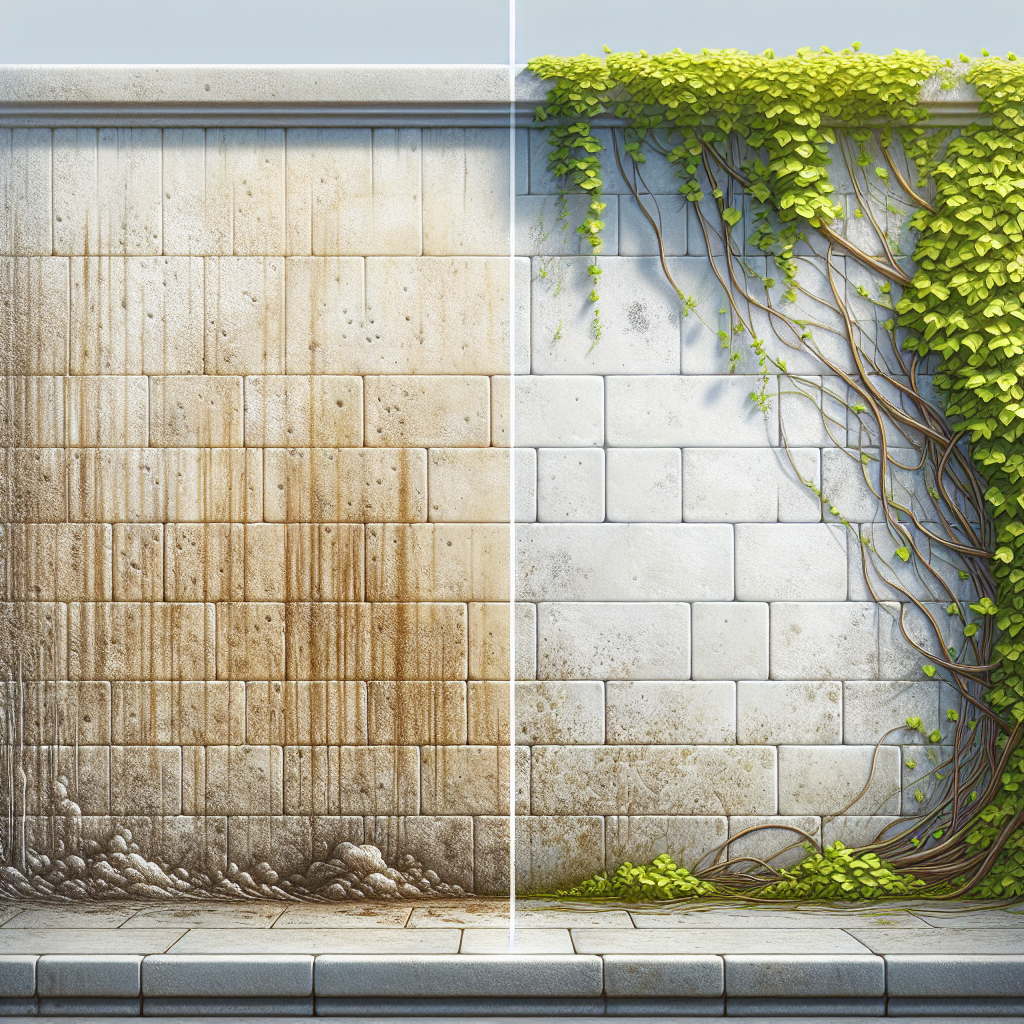
Stucco is a popular exterior finish due to its durability, aesthetic appeal, and resistance to harsh weather conditions. However, like any exterior surface, it requires regular maintenance to preserve its appearance and structural integrity. This guide will delve into the essential best practices for cleaning stucco, ensuring that your property remains both beautiful and protected.
Understanding Stucco
Before diving into cleaning techniques, it’s crucial to understand what stucco is and why it requires specific care. Stucco is a cement-based plaster used for coating walls and ceilings. It is traditionally used on exterior surfaces and can be applied in one or more layers, depending on the desired finish and texture. Its porous nature, while beneficial for breathability, also makes it susceptible to dirt, mildew, and staining.
Types of Stucco
1. **Traditional Stucco**: Made from cement, lime, sand, and water, this type is hardy but can crack if not maintained properly.
2. **Synthetic Stucco (EIFS)**: Composed of a foam board covered with a thin layer of acrylic and cement, this version is more flexible and less prone to cracking but can trap moisture if not correctly installed.
Why Regular Cleaning is Important
Regular cleaning of stucco surfaces is vital for several reasons:
– **Aesthetic Appeal**: Over time, stucco can accumulate dirt, grime, and stains, which can detract from the visual appeal of your property.
– **Preventing Damage**: Mold and mildew can thrive on stucco surfaces if moisture is present, leading to structural damage over time.
– **Longevity**: Routine maintenance can significantly extend the life of your stucco, preventing costly repairs or replacements.
Essential Tools and Materials
Before starting the cleaning process, gather the essential tools and materials:
– Soft-bristled brush or broom
– Garden hose with a spray nozzle
– Pressure washer (optional, with caution)
– Mild detergent or specialized stucco cleaner
– Bucket
– Protective gear (gloves and goggles)
– Ladder (if necessary)
Best Practices for Cleaning Stucco
Inspection and Preparation
1. **Inspect the Stucco**: Before cleaning, thoroughly inspect the stucco for cracks, chips, or other damage. Cleaning can exacerbate existing issues, so it’s crucial to repair these first.
2. **Test a Small Area**: Always test your cleaning solution and method on a small, inconspicuous area to ensure it doesn’t cause discoloration or damage.
3. **Remove Loose Debris**: Use a soft-bristled brush or broom to remove loose dirt and debris from the surface.
Cleaning Techniques
1. **Manual Cleaning**:
– Mix a mild detergent with water in a bucket.
– Dip the brush in the solution and gently scrub the stucco surface.
– Rinse thoroughly with water from a garden hose.
2. **Using a Pressure Washer**:
– Use a pressure washer with a PSI of 1,500 or less to avoid damaging the stucco.
– Keep the nozzle at least 24 inches away from the surface.
– Use a wide spray pattern to distribute water evenly.
– Work in sections, starting from the bottom and moving upwards to prevent streaking.
– Rinse thoroughly.
3. **Removing Stains and Mold**:
– For stubborn stains or mold, use a mixture of water and white vinegar or a commercial mold remover.
– Apply the solution to the affected area and let it sit for 10-15 minutes.
– Scrub gently with a brush and rinse thoroughly.
Post-Cleaning Care
1. **Rinse Again**: Ensure all cleaning agents are thoroughly rinsed off to prevent residue buildup.
2. **Inspect for Damage**: After cleaning, inspect the stucco again for any signs of damage that may have been hidden by dirt.
3. **Seal the Stucco**: Consider applying a stucco sealant to protect against moisture penetration and future staining.
Safety Considerations
– **Protective Gear**: Always wear gloves and goggles to protect yourself from cleaning agents and debris.
– **Ladder Safety**: If using a ladder, ensure it is stable and positioned on solid ground.
– **Avoid Harsh Chemicals**: Do not use harsh chemicals like bleach, as they can damage the stucco surface.
Common Mistakes to Avoid
1. **High-Pressure Cleaning**: Using a high-pressure washer can erode the surface of the stucco. Always use low pressure and a wide spray pattern.
2. **Neglecting Repairs**: Cleaning without addressing underlying repairs can worsen damage.
3. **Skipping Rinsing**: Failing to rinse thoroughly can leave behind residues that attract more dirt.
Conclusion
Cleaning stucco is an essential part of home maintenance that can enhance the look and longevity of your property. By following these best practices, you can effectively clean your stucco surfaces without causing damage, ensuring they remain in excellent condition for years to come. Regular maintenance, coupled with proper cleaning techniques, will protect your investment and keep your home looking its best.
Additional Resources
For those interested in learning more about stucco care, consider consulting with a professional or accessing online resources and forums dedicated to exterior home maintenance. Proper education and tools are the keys to preserving the beauty and integrity of stucco surfaces.
“`
This article provides a comprehensive guide to cleaning stucco, covering everything from preparation and cleaning techniques to safety considerations and common mistakes. Following these best practices will help ensure the longevity and beauty of stucco surfaces.