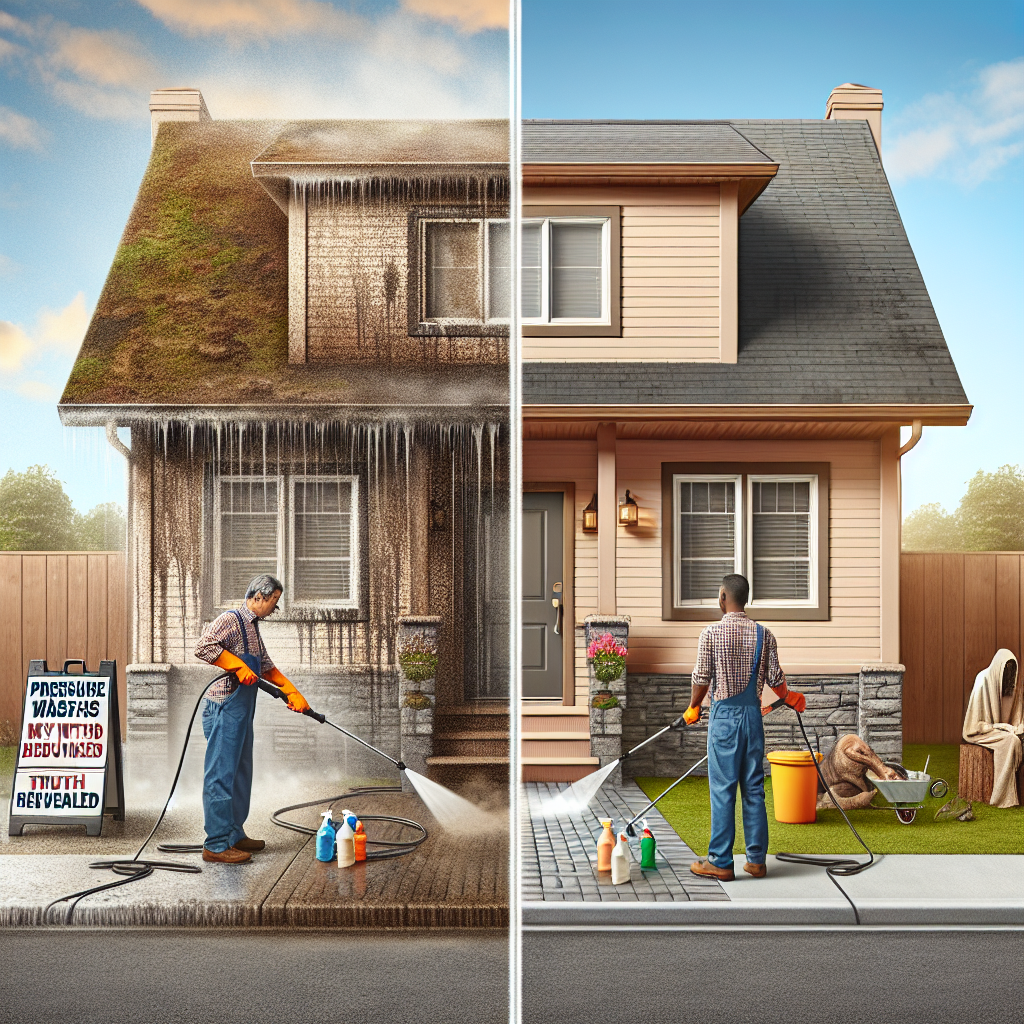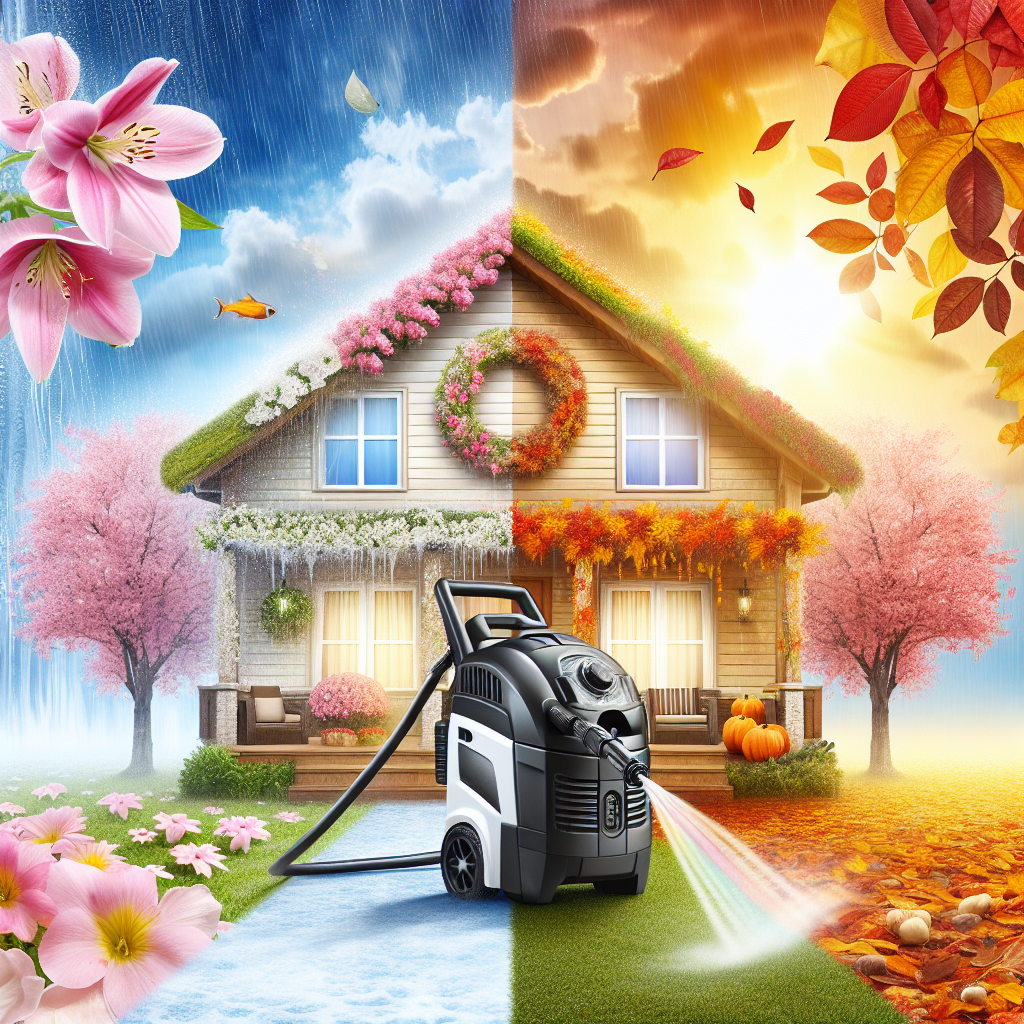
Pressure washing, also known as power washing, is a highly effective method for cleaning the exterior of your home. It involves using a powerful stream of water to remove dirt, grime, mold, mildew, and other unwanted substances from surfaces like siding, driveways, decks, and patios. While the benefits of pressure washing are clear, timing is crucial to maximize its effectiveness and ensure the longevity of your home’s exterior. This article will explore the optimal seasons for pressure washing your home, taking into account various factors such as weather conditions, environmental impact, and maintenance considerations.
## The Importance of Timing in Pressure Washing
The timing of your pressure washing efforts can significantly impact the results. Different seasons offer distinct advantages and challenges for pressure washing, influencing aspects such as drying time, mold growth, and the potential for damage to your home’s surfaces. Understanding these seasonal variations can help you plan your pressure washing schedule more effectively.
## Spring: A Fresh Start
### Advantages
Spring is often considered one of the best times to pressure wash your home. As the weather warms up, homeowners are eager to freshen up their properties after the long winter months. Pressure washing in spring can remove accumulated dirt, salt, and grime from winter storms, preparing your home for the upcoming seasons.
The moderate temperatures in spring provide an ideal environment for pressure washing, allowing surfaces to dry more quickly without the risk of freezing. Additionally, with the snow melting away, you can easily spot areas that need attention, such as mold or mildew growth.
### Considerations
While spring offers many benefits for pressure washing, it’s essential to consider the timing of pollen release. Pollen can quickly adhere to freshly washed surfaces, potentially undoing your hard work. To avoid this, try to schedule your pressure washing session after the peak pollen season in your area.
## Summer: The Dry Season
### Advantages
Summer is another popular season for pressure washing, largely due to the dry and warm weather conditions. These conditions facilitate quick drying, which helps prevent the growth of mold and mildew on freshly cleaned surfaces. The longer daylight hours also provide more flexibility in scheduling pressure washing sessions.
During summer, you can take advantage of the opportunity to wash outdoor furniture, decks, and patios, preparing them for use during family gatherings and barbecues. Additionally, with children out of school, you might find it easier to coordinate household activities around your cleaning efforts.
### Considerations
The main challenge with summer pressure washing is the potential for high temperatures. Extremely hot weather can cause the water to evaporate quickly, reducing the effectiveness of the cleaning process. To combat this, consider starting your pressure washing early in the morning or later in the afternoon when temperatures are cooler.
## Fall: Preparing for Winter
### Advantages
Fall is a strategic time for pressure washing as it allows you to prepare your home for the harsh winter months. Removing dirt, leaves, and other debris can help prevent the growth of mold and mildew during the colder, wetter months. Cleaning your home’s exterior in fall can also enhance its curb appeal, which is particularly beneficial if you plan to sell your home.
The cooler temperatures of fall provide comfortable working conditions, and with the leaves falling, it’s easier to identify areas that need attention. Pressure washing in fall can also help remove any remnants of summer pollen and dust, ensuring your home enters winter in pristine condition.
### Considerations
One of the challenges in fall is the potential for rain, which can disrupt your pressure washing plans. To avoid this, monitor weather forecasts closely and choose a dry day for your cleaning session. Additionally, as temperatures begin to drop, ensure that any water used in pressure washing doesn’t freeze overnight, which could cause damage to your home’s exterior.
## Winter: A Limited Option
### Challenges
Winter is generally not recommended for pressure washing due to cold temperatures and the risk of freezing. Water left on surfaces in freezing temperatures can lead to ice formation, which can cause damage to your home’s exterior and create hazardous walking conditions.
In regions with milder winters, pressure washing may still be possible, but it requires careful planning and consideration of weather conditions. It’s crucial to avoid washing on days when temperatures are expected to drop below freezing.
### Alternatives
If pressure washing is not feasible during winter, consider alternative cleaning methods that do not involve water, such as using a leaf blower to remove debris from driveways and walkways. You can also focus on indoor cleaning projects or maintenance tasks that prepare your home for the upcoming spring cleaning season.
## Factors to Consider When Choosing a Season
### Climate and Weather Patterns
Your local climate and weather patterns play a significant role in determining the best season for pressure washing. For instance, regions with mild winters may allow for year-round pressure washing, while areas with harsh winters may require more strategic planning.
### Surface Material
The material of your home’s exterior surfaces can also influence the best time for pressure washing. For example, wood surfaces may require more frequent cleaning to prevent mold and mildew growth, while brick or stone may be more resilient.
### Environmental Considerations
When planning your pressure washing schedule, consider the environmental impact. Avoid pressure washing during drought conditions, and use eco-friendly detergents to minimize harm to local ecosystems.
## Conclusion
Pressure washing is a valuable tool for maintaining the exterior of your home, but timing is essential to achieve the best results. While spring, summer, and fall each offer unique advantages for pressure washing, understanding the specific conditions and challenges of each season can help you make informed decisions. By considering factors such as weather patterns, surface materials, and environmental impact, you can optimize your pressure washing routine and keep your home looking its best year-round.
Ultimately, the best season for pressure washing your home depends on your specific circumstances and preferences. By staying informed and planning carefully, you can ensure that your home’s exterior remains clean, safe, and attractive throughout the year.