
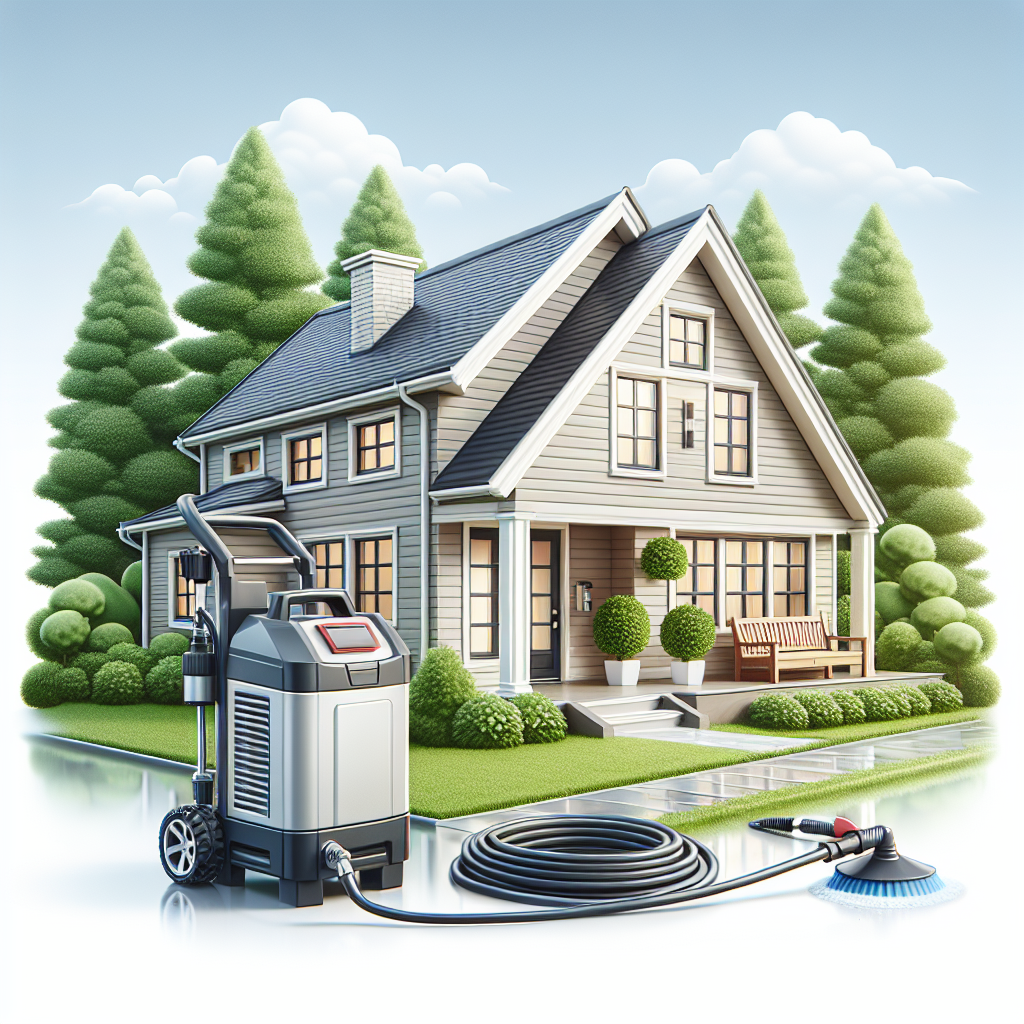
“`html
Introduction
Pressure washing is a highly effective way to maintain the exterior of your home, ensuring it remains clean, attractive, and free from potential damage caused by dirt, mold, and mildew. However, determining the optimal frequency for pressure washing is crucial to avoid over-cleaning, which can damage surfaces, or under-cleaning, which allows grime to build up. This article will guide you through the factors that influence pressure washing frequency and provide recommendations tailored to different areas of your home.
Understanding Pressure Washing
Pressure washing, also known as power washing, uses high-pressure water spray to remove dirt, grime, mold, mildew, and other contaminants from surfaces. This method is particularly effective for cleaning driveways, decks, siding, and roofs. The key to efficient pressure washing lies in understanding the right pressure level and frequency for different materials and environmental conditions.
Factors Influencing Pressure Washing Frequency
Several factors contribute to how often you should pressure wash your home. These include:
1. Climate and Weather Conditions
Homes in humid climates are more susceptible to mold and mildew growth, necessitating more frequent cleaning. Conversely, homes in arid regions may require less frequent pressure washing due to lower moisture levels.
2. Surrounding Environment
The environment surrounding your home plays a significant role in determining cleaning frequency. Homes near dusty roads or in areas with a lot of tree cover might accumulate dirt and organic debris faster, requiring more regular cleaning.
3. Material and Condition of Surfaces
Different materials react differently to pressure washing. Delicate surfaces like wood siding may require less frequent washing to prevent damage, whereas more durable surfaces like concrete can withstand more frequent cleaning.
4. Aesthetics and Personal Preference
Some homeowners prefer their property to always look pristine, leading to more frequent cleaning. Personal preference can significantly influence cleaning schedules, especially for visible areas like the front facade and driveway.
5. Local Regulations and HOA Guidelines
Certain homeowner associations (HOAs) and local regulations may have specific guidelines or recommendations regarding exterior cleaning. Always check these before setting your pressure washing schedule.
Recommended Pressure Washing Frequency
Based on the above factors, here are general guidelines for pressure washing various parts of your home:
Siding
Vinyl, wood, and fiber cement siding should generally be pressure washed once every 1-2 years. However, homes in humid or heavily forested areas may need cleaning more frequently. Always check for signs of mold or mildew, as these are indicators that it’s time to wash.
Driveways and Walkways
Concrete driveways and walkways can be pressure washed annually. If you notice oil stains or moss buildup, more frequent cleaning may be necessary. Regular maintenance helps prevent the surface from becoming slippery and unsafe.
Decks and Patios
Wooden decks should be pressure washed once a year to maintain their appearance and prevent wood rot. Composite decks may require less frequent cleaning, depending on their exposure to the elements. Patios made of stone or pavers benefit from annual cleaning to remove moss and debris.
Roofs
Roofs should be pressure washed very cautiously to avoid damage. Soft washing, a gentler alternative, is often recommended. Generally, roofs can be cleaned every 2-3 years, but this varies depending on the roofing material and environmental factors.
Gutters
Gutters should be cleaned at least twice a year to prevent clogs and overflow. While not traditionally pressure washed, some homeowners use pressure washers to clear stubborn debris from gutters.
Fences
Wooden fences can be pressure washed every 2-3 years to maintain their appearance. Vinyl and metal fences may require less frequent cleaning, as they are more resistant to stains and dirt buildup.
Seasonal Considerations
The timing of your pressure washing efforts can also impact effectiveness. Spring is an ideal time to wash away winter grime, while fall cleaning can prepare your home for winter by removing leaves and organic material that may lead to mold growth. Avoid pressure washing in extremely cold or hot weather, as this can lead to damage or inefficiency.
Tips for Effective Pressure Washing
– **Choose the Right Equipment:** Ensure you use an appropriate pressure washer for the task. Residential units are usually sufficient, but larger, commercial-grade washers may be needed for extensive cleaning tasks.
– **Select the Correct Nozzle:** Different nozzles provide varying pressure levels and spray patterns. Use a nozzle that suits the surface you are cleaning to avoid damage.
– **Use Appropriate Cleaning Solutions:** For tough stains or mold, use cleaning solutions designed for pressure washers. Avoid harsh chemicals that can damage surfaces or harm the environment.
– **Test on a Small Area:** Before washing the entire surface, test on a small, inconspicuous area to ensure the pressure and technique do not cause damage.
– **Maintain Consistent Distance:** Keep the nozzle at a consistent distance from the surface to avoid streaking or etching.
Conclusion
Pressure washing is an essential part of home maintenance, but it requires a balanced approach to avoid potential damage. By considering factors like climate, surface material, and personal preferences, homeowners can determine the optimal frequency for pressure washing their homes. Regular cleaning not only enhances curb appeal but also extends the lifespan of exterior surfaces, ultimately protecting your investment. Always remember to follow safety guidelines and, if in doubt, consult with a professional pressure washing service to ensure the best results for your home.
“`