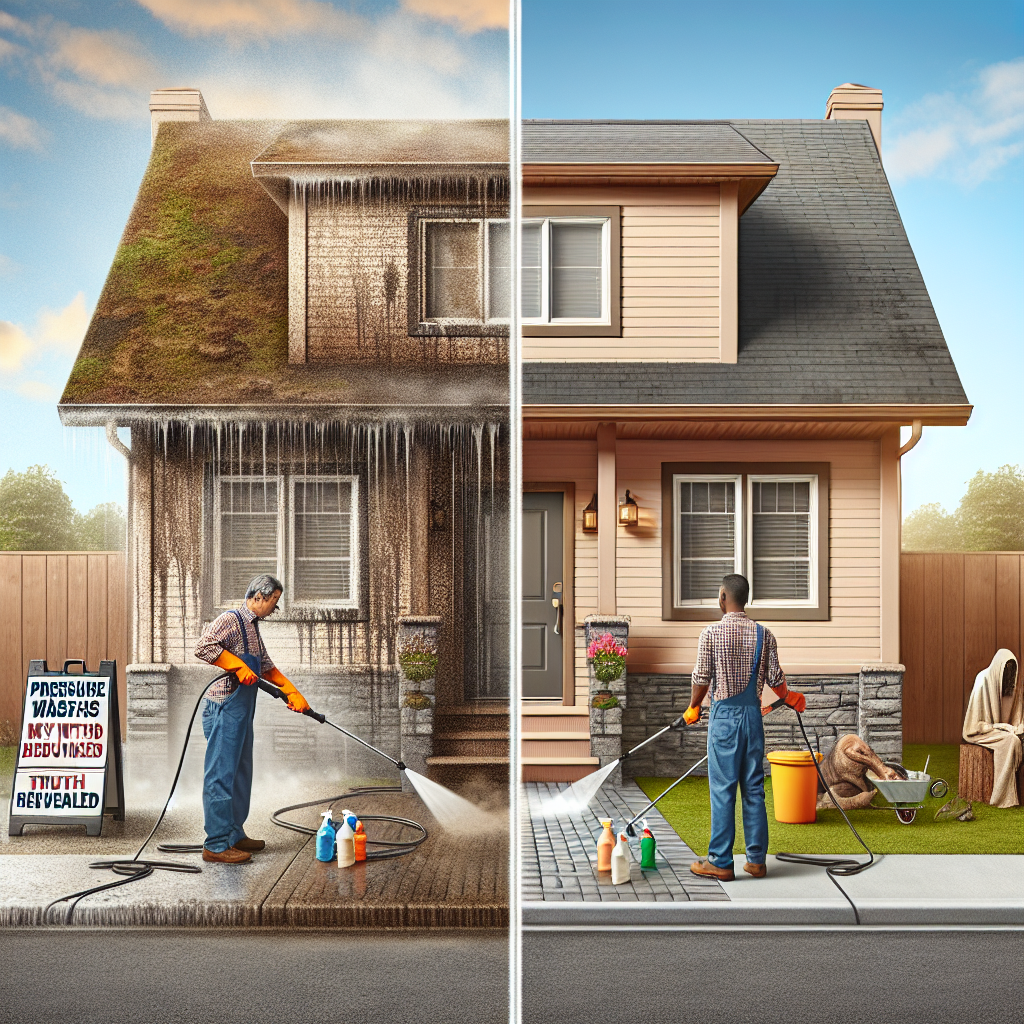
Pressure Washing vs Surface Cleaning: Key Differences Unveiled
When it comes to maintaining the exterior of your home or business, ensuring that surfaces are clean and well-kept is essential. Two popular methods used for exterior cleaning are pressure washing and surface cleaning. While both techniques are effective in their own right, they have distinct differences that make them suitable for different types of surfaces and cleaning needs. In this article, we will delve into the key differences between pressure washing and surface cleaning, helping you understand which method is best for your specific situation.
Understanding Pressure Washing
Pressure washing is a cleaning method that involves using high-pressure water spray to remove dirt, grime, mold, mildew, and other contaminants from surfaces. This technique is particularly effective for hard surfaces like concrete, brick, and stone. Here’s a closer look at the essentials of pressure washing:
High-Pressure Water Jets
The primary feature of pressure washing is the use of high-pressure water jets. These jets can reach pressures of up to 3,000 to 4,000 PSI (pounds per square inch), making them powerful enough to dislodge even the most stubborn dirt and grime. This makes pressure washing particularly effective for surfaces that are heavily soiled or have deep-set stains.
Versatility and Efficiency
Pressure washing is highly versatile and can be used on a variety of surfaces, including driveways, sidewalks, decks, and even the exteriors of buildings. The efficiency of pressure washing lies in its ability to quickly cover large areas, making it a time-saving option for extensive cleaning tasks.
The Role of Detergents
While pressure washing relies heavily on the power of water, detergents can also be used to enhance the cleaning process. Specialized cleaning solutions can be applied before or during the pressure washing process to break down tough stains, such as oil or grease, making them easier to remove.
Potential Risks and Precautions
Despite its effectiveness, pressure washing can pose risks if not done correctly. The high pressure can damage delicate surfaces, strip paint, and even cause injury if not handled properly. Therefore, it’s important to use the right pressure settings and techniques, or hire a professional to ensure safe and effective cleaning.
Exploring Surface Cleaning
Surface cleaning is another method used for exterior cleaning, but it differs significantly from pressure washing in terms of technique and application. Surface cleaning typically involves using specialized equipment to clean flat surfaces with a rotating spray arm. Here’s what you need to know about surface cleaning:
Rotary Surface Cleaners
Surface cleaning employs rotary surface cleaners, which are devices that connect to a pressure washer and feature rotating spray arms. These arms spin rapidly, evenly distributing water over the surface being cleaned. This method is particularly effective for large, flat surfaces like driveways, patios, and parking lots.
Uniform Cleaning
One of the main advantages of surface cleaning over traditional pressure washing is the uniformity of the cleaning process. The rotating arms ensure that water is evenly applied, preventing streaks and ensuring a consistent clean across the entire surface.
Lower Pressure Application
Compared to pressure washing, surface cleaning typically uses lower pressure. This makes it a safer option for surfaces that may be damaged by high-pressure water jets. It’s ideal for surfaces that require a gentle yet thorough clean, without the risk of stripping or damaging the material.
Efficient for Large Areas
Surface cleaning is particularly efficient for large areas because the rotary cleaners cover a wide path with each pass. This reduces the time and effort needed to clean expansive surfaces, making it a preferred choice for commercial properties or large residential areas.
Comparing Pressure Washing and Surface Cleaning
Now that we’ve explored the fundamentals of pressure washing and surface cleaning, let’s compare the two methods to highlight their key differences and help you determine which is best suited for your specific cleaning needs.
Pressure Levels and Surface Suitability
The most significant difference between pressure washing and surface cleaning is the pressure level used. Pressure washing uses high pressure, making it suitable for tough, hard surfaces that can withstand the force. On the other hand, surface cleaning uses lower pressure, making it ideal for more delicate surfaces or those requiring a uniform finish.
Cleaning Technique
Pressure washing relies on high-pressure jets to blast away dirt, while surface cleaning uses rotary arms to evenly distribute water over a surface. This difference in technique affects the type of surfaces each method is best suited for and the final result of the cleaning process.
Application Areas
Pressure washing is versatile and can be used on a wide range of surfaces, from driveways to building exteriors. Surface cleaning, however, is specifically designed for flat, horizontal surfaces like patios, sidewalks, and parking lots. The choice between the two depends largely on the type of surface you need to clean.
Efficiency and Safety
Both methods are efficient, but the choice between them also depends on safety considerations. Pressure washing, with its high-pressure jets, poses a greater risk of damage to surfaces and injury if not handled properly. Surface cleaning, with its lower pressure and uniform application, is generally safer for both the operator and the surfaces being cleaned.
Choosing the Right Method for Your Needs
When deciding between pressure washing and surface cleaning, consider the following factors to choose the method that best suits your needs:
– **Type of Surface:** Consider the material and condition of the surface you need to clean. Hard surfaces with deep stains may benefit from pressure washing, while more delicate surfaces could require surface cleaning.
– **Extent of Cleaning Required:** If you need to clean a large, flat area, surface cleaning may be more efficient due to its ability to cover wide paths quickly.
– **Potential Risks:** Evaluate the risk of damage to the surface or surrounding areas. Surfaces that are prone to damage or require gentle handling may be better suited for surface cleaning.
– **Professional Help:** If you’re unsure about the appropriate method or lack the experience to safely operate cleaning equipment, consider hiring a professional cleaning service. They have the expertise and equipment to perform both pressure washing and surface cleaning effectively and safely.
Conclusion
In conclusion, both pressure washing and surface cleaning offer effective solutions for maintaining clean and attractive exterior surfaces. Understanding the key differences between these methods, such as pressure levels, cleaning techniques, and application areas, can help you make an informed decision about which is best suited for your specific needs. Whether you’re dealing with tough stains on a hard surface or require a gentle clean for a large area, choosing the right method will ensure your surfaces remain in top condition, enhancing the overall appearance and longevity of your property.
“`